
Gatos puppy guides
Socialization and early training for a Cane Corso puppy
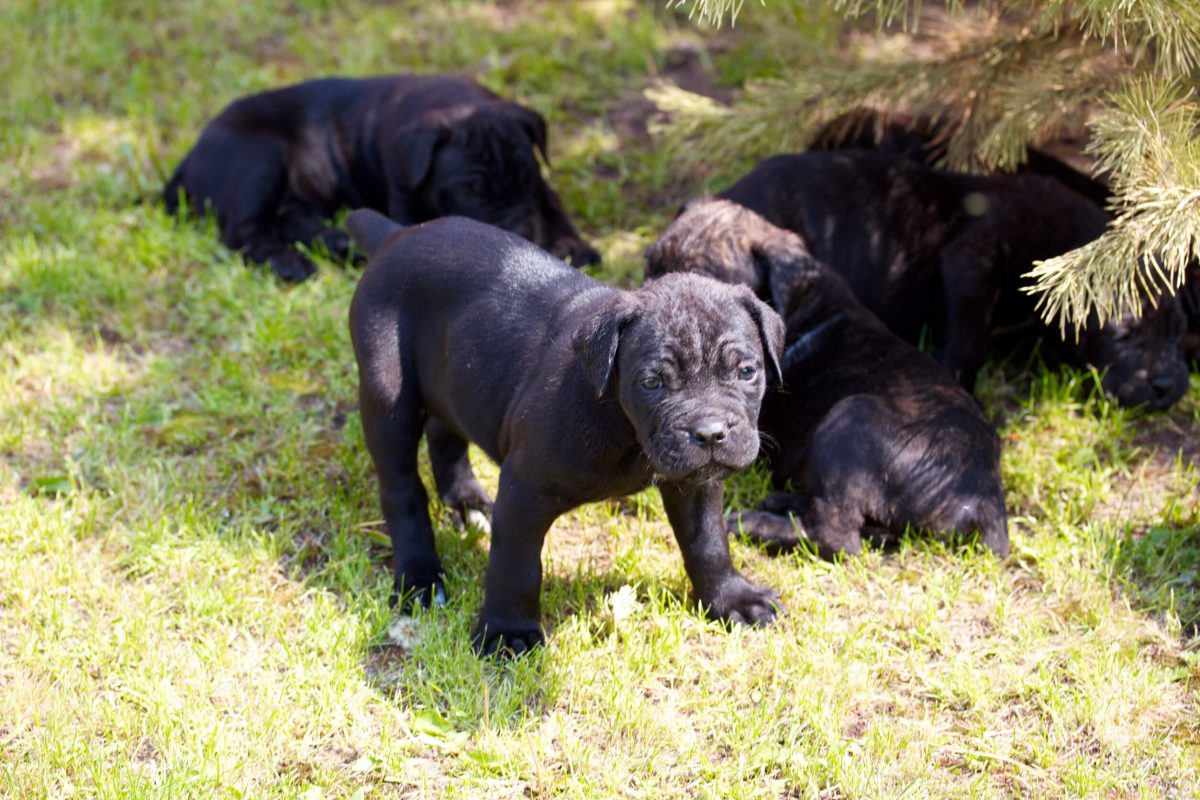
Socialization helps a puppy learn about the world at a pace they can handle. For a Cane Corso, that work belongs alongside everyday manners and careful supervision. The goal is a dog who can move through ordinary life comfortably, with guidance from the people responsible for them.
Plan safe experiences early
AVSAB’s socialization guidance supports safe early learning rather than waiting to begin every experience until the vaccination series is complete. Ask your veterinarian which settings are suitable given your puppy’s vaccination history and local disease risk. A qualified puppy class can be part of that discussion.
Make a list of ordinary situations your dog will encounter: doorbells, visitors, vehicles, household sounds, and people at different distances. Choose one manageable experience rather than trying to complete the list in a weekend. Watching calmly from a comfortable distance can be useful.
Let the puppy’s response guide the next step
Leave room to move away. If a puppy tries to retreat, freezes, or appears worried, reduce the intensity and get professional guidance when needed. Avoid forcing contact to finish a greeting. Record what happened, how close you were, and what made the experience easier so the next attempt can be more thoughtful.
Teach what you want to see
VCA’s training basics explains that puppies repeat behavior that works for them. Reward attention, returning toward you, or a calm pause. Begin in a quiet room, then practice in another easy setting before expecting the same response around distractions.
Choose a few household priorities and use the same cues. Practice calm door routines, comfortable handling, and being near you on a loose lead with help from a qualified trainer. AVSAB recommends reward-based training methods; ask a prospective trainer how they work before enrolling.
Keep expectations individual
No breed description or early lesson guarantees an adult temperament. A puppy’s confidence and responses can change as they grow. Supervise interactions with children and other animals and keep management arrangements in place while skills develop.
Bring your daily routine and experience to a puppy conversation with Gatos. Ask about current observations in the puppy you are considering, then make a training plan with qualified professional support that you can continue beyond the first weeks.
Keep preparing
The links above provide further reading from veterinary and breed organizations. For another practical step, read the next puppy guide, meet the puppies, or talk with Gatos.
